

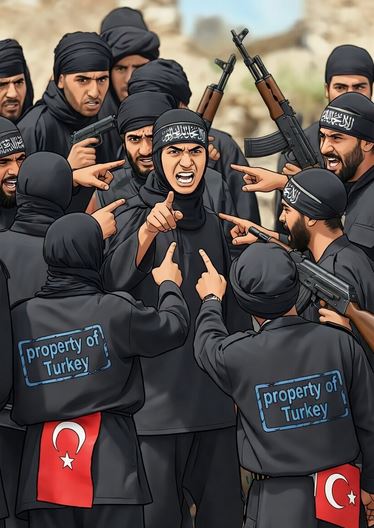
Ineptitude, lack of operational capacity or is there something more amiss within the senior ranks of IS-Syria. We have recently highlighted the activity vacuum of IS-Syria and their failure in the IDP camps debacle of February 2026. While this could be attributed to lack of capacity and the organization having suffered continuous drone strikes in the region, is this operational lethargy indicative of greater problems at senior levels of the IS-Syria leadership? To what extent does the inactivity of IS-Syria since the HTS offensive highlight a suspicious pattern of activity that benefits other parties, notably the Transitional Syrian Government and its neighbor, Turkiye?
Turkiye has been responsible for crackdowns on Islamic State cells operating within its borders as part of its ‘Terror-Free Turkiye’ campaign. But one thing is clear; Turkiye has a long history of MIT infiltration and manipulating the actions of previous jihadist groups in Syria. Does this put the most recent events in Syria in perspective, in light of the events of today and the past?
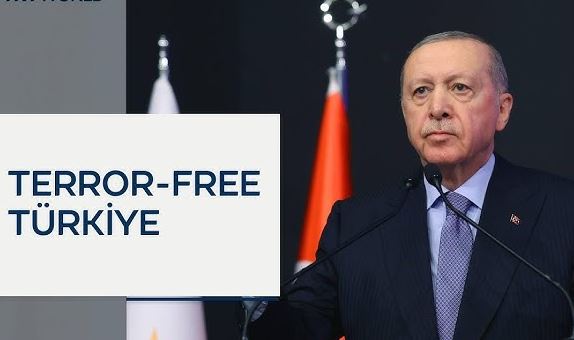
‘Terror-free Turkiye’
Turkiye online observers and media have been extremely forthcoming in publicizing its counter terrorism operations towards the Islamic state over the past year highlighting the various crackdowns and arrests of various IS members.
In response to the Santa Maria Church attack on 28 January 2024, the first attack conducted by IS since 2017, Turkiye have waged a strong anti-terrorism campaign, claiming 1,400 raids in 2024 moving into 2025, more than 500 Islamic State terrorists having been captured that same year. In one month, the same counter terrorism forces had detained 357 Islamic State suspects in a nationwide operation in December 2025. Their stance towards the Islamic State and terrorist insurgents was clear.
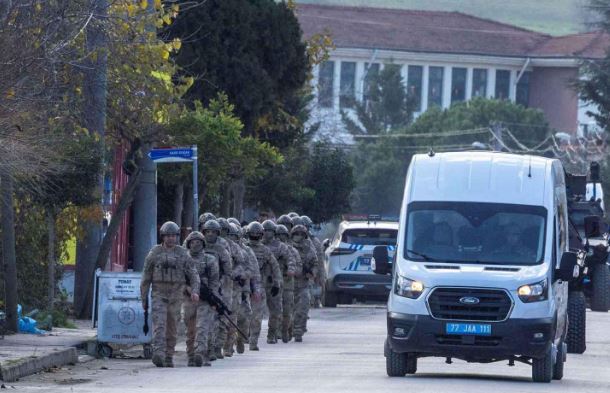
From the perspective of a foreign journalist, it appears that Turkiye intelligences agencies are prioritising disruption of IS cells above most other terrorist groups active in the region in order to attain the self-proclaimed title of a ‘terror-free Turkiye’.
In truth, as the ‘Turkish minute’ highlighted more recently, ISIL financial couriers still operate from within Turkish cities, “opposition lawmakers accusing the government of failing to prevent or properly investigate the presence of ISIL militants in Turkiye”. While it could be argued that this may be down to a lack of access to these terrorist cells, Turkiye has previously proven its effectiveness in infiltrating IS networks; even establishing prior relationships with other jihadist groups located in the border regions of Syria. So how have these cells been allowed to operate?
The Turkiye-IS Syria relationship
It is well reported that various jihadist formations been favoured by the Erdogan administration, a convenient tool over the past ten years to curb the influence of the militant PKK Whether it be al-Qa’ida or ISIS, “(it) had an organic relation with the more radical jihadis affiliated with al-Qa’ida. At the height of the Syrian Civil war, it was accepted that aspiring ISIS fighters and their families crossed from Turkiye into Syria with little interference, 30,000 foreign fighters entering Syria in 2013 alone.
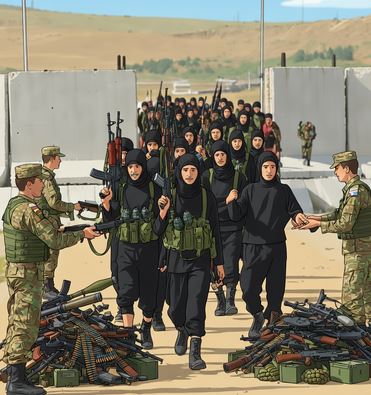
With the exception of alleged disruption operations to the Assad regime at that time, mustn’t neglect the economic dimensions to this possible relationship. According to Nordic Monitor, in 2014 following the seizing of Syrian Oil fields, ISIS reportedly smuggled crude oil into Turkiye via Turkish buyers and regular military aid originating in Turkiye being passed to Syrian jihadi groups that are now connected to ISIS.
MIT involvement?
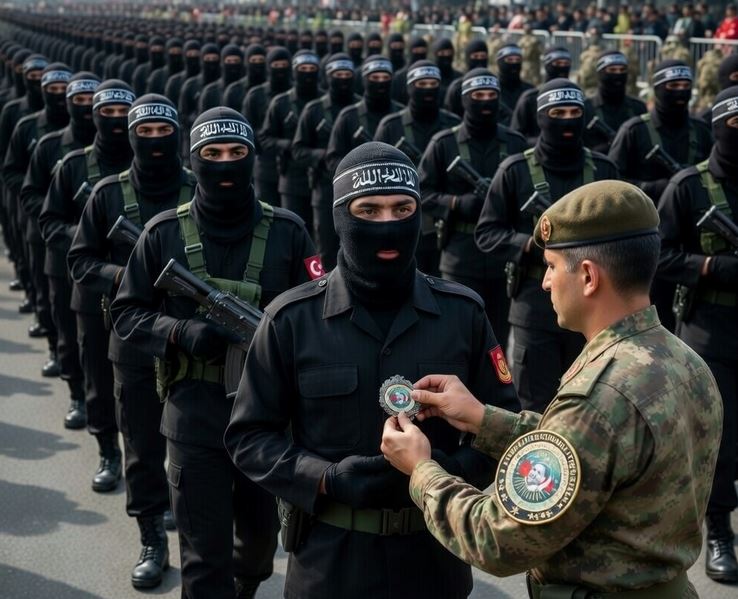
The Nordic monitor, a well-known critic of Erdogan’s regime, has gone so far as to highlight the various militant and jihadist cells have previously acquired logistical support from Turkiyes intelligence agency, the Milli Istihbarat Teskilati (MIT). According to insightinternational.com, perhaps this has been facilitated by MIT operatives allegedly infiltrating the ranks of ISIS to the extent of having planted operatives to further Turkish goals in Syria and Iraq.
Further Turkish involvement
While this could be seen as rumours, speculation or bias, it worth noting that in January 2025, the Turkish Foreign Minister Hakan Fidan inadvertently confirmed the level of Turkiye’s involvement in cultivating these networks: “In Syria there are groups close to Turkiye with more than 80,000 armed elements. Without any hesitation, we told them to join the national army, become part of the national army”. (Eurasian times). Whatsmore, this release in January was also followed by a testimony delivered by retired colonel Fatih Yarimbas – a former member of Turkiye’s elite special forces command (OKK), explaining to the Ankara 4th High Criminal Court that MIT had knowingly delivered arms to Syria despite being aware that they would end up in the hands of ISIS militants via the Free Syrian Army. It is clear that sowing discord and deconflicting with other terrorist groups have created a harmonious discord and subsequent opportunity to exploit the chaos in Syria (Nordic Monitor).
But why would Turkiye elements influence or assist a group that had been associated with recent attacks within its territory and a group that has been subject to numerous Turkiye counter terrorism operations in 2025?
IS-Syria or ISKP?
It could be argued that the ‘Terror-free Turkiye’ campaign and recent Santa Maria Church attack appears to nullify allegations of any possible past dealings or relationship. It is worth noting however that reports connected this attack to Tajikistan and Russian actors, indicating their possible allegiance to another branch of ISKP rather than IS-Syria; Online journalist Aaron Y. Zelin highlighting the prevalence of Tajiki Islamic State actors in ISKP operations from April 2020 to January 2024.

While it is true that ISKP are an element of the Islamic State, Washington Institute have highlighted a pertinent point. It is well established that Islamic State cells work with a degree of autonomy, ISKP media such as al-Azaim and Voice of Khorasan having focused on targeting Turkiye due to their prior diplomatic engagement with the Taliban (Washington Institute: Islamic State hits Turkiye after years of plotting).
It is claimed by Nordic Monitor that MIT were aware of these plots and that few ISIS operatives have faced meaningful consequences “they rarely provide figures on actual convictions”. Most ISIS suspects are released after brief interrogations or are let go during trial proceedings, an argument that has been highlighted recently in light of the possible transfer of Turkish ISIS prisoners from Iraq to Turkiye and the motives behind this.
Turkish ISIS detainees
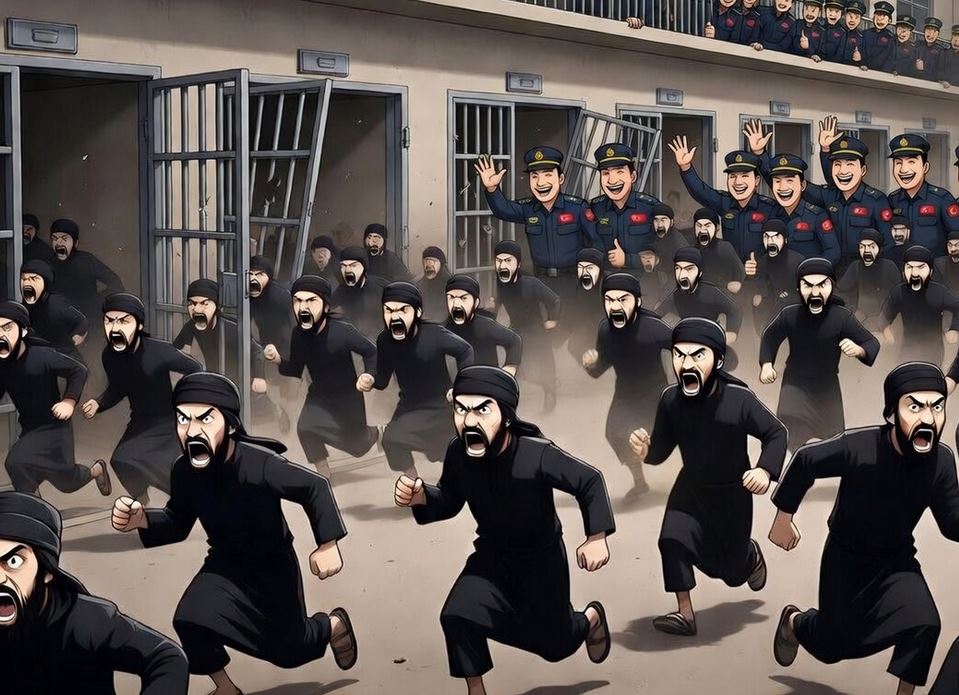
Off the back of the failure of IS to conduct any form of breakout or rescue, Turkish authorities have declared their intention to transfer former Turkish detainees of these camps to Turkiye for prosecution. This could be perceived as a country assuming accountability for the past actions of their nationals. It is more likely that Turkish infiltration an alternative reason.
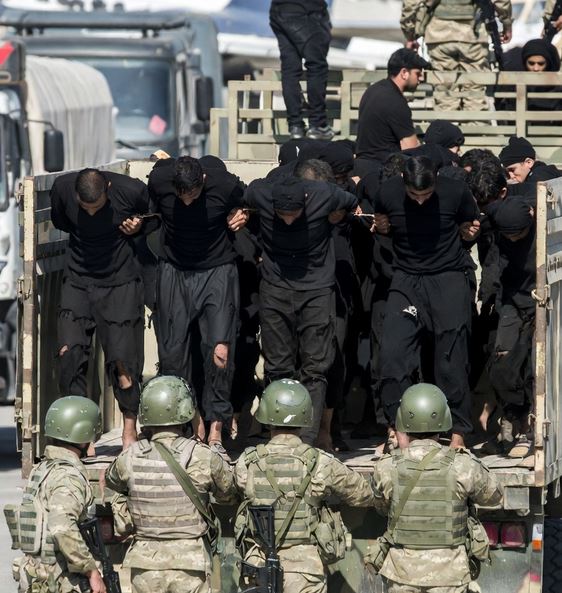
Following this, news sources highlighted the suspicious timing of this announcement, mentioning that this was the first time in a decade that Turkiye had decided to extradite their former members. Critics have argued that repatriating them from Iraq prior to third-country prosecution will enable full control over judicial process. This would also control the flow of information from testimonies that could infer intelligence links or evidence of external third-party involvement. It could also be argued that this an attempt to prevent the leakage of any further information as to their activities with IS or to protect further assets amongst the IS ranks.
Summary
It is clear that Turkiye has been responsible for crackdowns on Islamic State cells operating within its borders, however these having specifically targeted ISKP rather than IS-Syria, due to the former’s role in the 2024 Santa Maria Church attacks. On the face of it, it appears that Turkiye have been proactive in achieving its ‘Terror-free Turkiye’ campaign. Furthermore, it is possible that lack of activity or operations conducted by IS-Syria against HTS during the overthrow of Assad in late 2024 and the recent conflict between the SDF and the Transitional Syrian Government could be a result of the lack of IS operational capability and disorganization.
But maybe this highlights something more pervasive and sinister.
Could it be said that their lack of external operations conducted against their neighbors is in fact more coordinated and intentional?
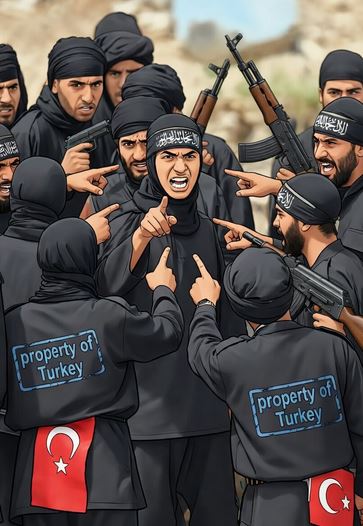
The prior relationship between ISIS and Turkiye that has been highlighted by various high-ranking officials within the Turkish military and political system indicates a history of IS infiltration. With this prior history in mind, the extradition of former Turkish detainees has raised various concerns as to whether they will be prosecuted or how much information will be revealed from these proceedings. The fact that the Syrian Transitional Government have been allowed to pursue their aims against the Kurdish forces in the northeast of Syria with very little resistance is indicative of a coordinated effort and possible deconfliction at higher echelons of the Islamic State in Syria.
One thing is certain. Now that al-Sharaa and the Syrian Transitional Government has achieved their objective in the north east of Syria and nullified the SDF / Kurdish issue, this has also nullified a threat that has plagued Turkiye over the past 40 years. A coincidence? or coordinated effort?