

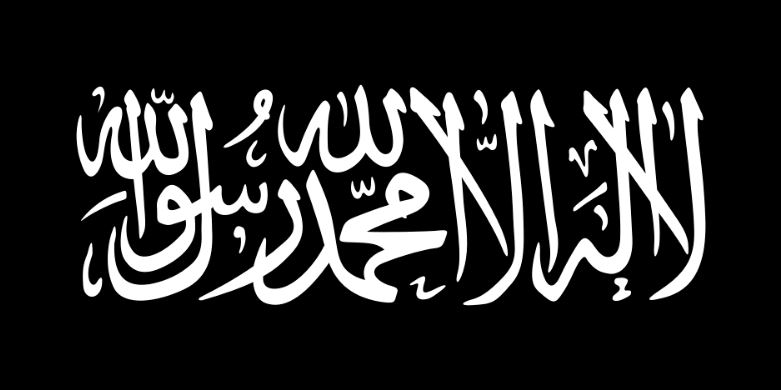
As 2025 drew to a close, the Iran-based senior leaders of al‑Qa’ida again remained conspicuously mute, offering no official statements, propaganda releases, or strategic guidance. The silence, observers say, is more than a communications lapse—it is a symptom of the deepening operational and political strain of their residency in Iran, threatening the group’s credibility and its ability to present a unified ideological front.
A Fractured Movement
Al-Qa’ida has come a long way since it was a small group of fighters with strong leadership figures – but has this evolution left it in a better place? Without a central narrative to rally around, al‑Qa’ida’s regional affiliates have taken matters into their own hands; from the Sahel to Southeast Asia, cells are now producing “low‑cost” videos, audio clips, and social‑media posts that focus on immediate operational successes and locally resonant grievances—such as anti‑government protests or sectarian disputes—rather than the global jihadist doctrine traditionally espoused by the network’s leadership.
The shift is stark. Where once a single, polished statement from al‑Qa’ida’s emir would set the tone for the entire movement, we now see a patchwork of fragmented messages that vary in quality, language, and ideological emphasis. This low-effort and splintered messaging is a pale reflection of al-Qa’ida’s early foundations.
Experts point to a combination of pressures that may explain the leadership’s radio silence. Recent drone strikes, intensified intelligence cooperation among regional powers, and internal power struggles have reportedly forced AQSL and their contacts into a defensive posture. The lack of a coordinated media strategy, they argue, is likely a by‑product of these operational setbacks.
Al-Qa’ida leadership figures in Iran are preoccupied with survival. In scrambling to protect their own network, public messaging and brand reputation has dropped down their priority list.
Credibility Decline
Al‑Qa’ida’s brand has always hinged on the perception of a disciplined, globally coordinated movement. The current fragmentation erodes that image in several ways which the group may be unable to recover from.
The dilution of their ideology has led to affiliates focussing on regional grievances and local warlord narratives, abandoning Al-Qa’ida’s wider theological narrative and acting like independent insurgencies.
The inconsistency in messaging across Al-Qa’ida is creating confusion among supporters and potential recruits, undermining the sense of a cohesive cause.
Attack claims, especially in propaganda releases, that are without central verification raise doubts about the authenticity of the group’s proclaimed capabilities and intentions.
The overall effect of this fragmentation is a credibility gap that rivals and former allies can exploit. When central command of an organisation can’t speak, it signals weakness to those who are watching for vulnerabilities in the group. Potential financiers, sympathizers, and even operatives will start asking whether the organization still has the capacity to deliver on its promises.
Affiliates Adapt, But at What Cost?
Some regional branches have embraced the autonomy, tailoring propaganda to local audiences and leveraging inexpensive platforms like TikTok and Telegram. While this agility may sustain short‑term recruitment, it also risks splintering the movement into loosely connected factions that could drift away from al‑Qa’ida’s core ideology.
As has been noted in publications about insurgencies – “decentralization can be a double‑edged sword.” It makes the al-Qa’ida network harder to dismantle, but it also makes it harder to maintain a unified brand. In the long run, that lack of cohesion could be fatal to al‑Qa’ida’s relevance.
With the ongoing quiet from Al-Qa’ida leadership, analysts predict a continued drift toward localized, opportunistic propaganda. The absence of a central voice may also embolden rival extremist groups—most notably the Islamic State’s remnants—to position themselves as the “true” vanguard of global jihad.
For now, Al‑Qa’ida’s silence speaks louder than any statement could: a once‑formidable brand is grappling with internal fractures, and its credibility as a cohesive organization is waning. Whether the group can regroup and re‑assert a unified narrative remains an open question—one that security agencies worldwide are watching closely.