
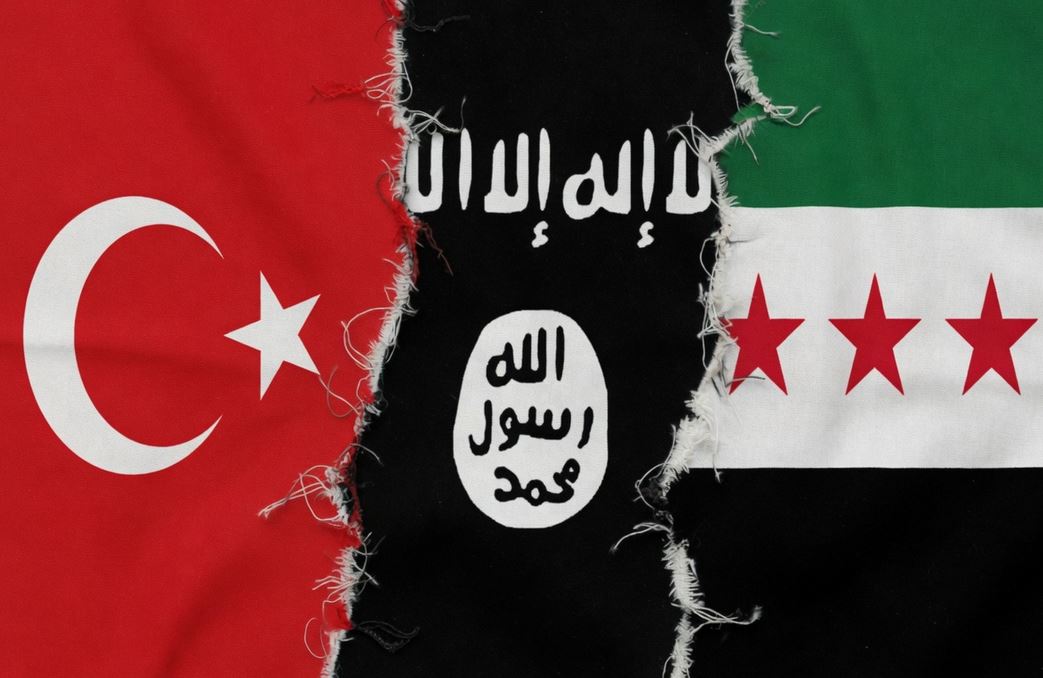
We have previously suggested the likelihood of Turkish intelligence infiltration amongst the ranks of ISIS in our most recent article ‘The Islamic State of Syria: a proxy force for hire‘. In light of the recent events in Syria and the subsequent collapse of the Syrian Democratic Forces, this topic has been discussed online by different journalists inside and outside of Syria. The Syrian Transitional Government has been able to achieve it’s main objective in the north east of Syria resulting in the dissolution or nullification of Kurdish forces. These are the same forces that Turkiye had previously declared as a terrorist organization, having previously conducted cross border operations against them and publicly denounced. In in the midst of the chaos and conflict, there was little resistance from the Islamic State of Syria.
Coincidence? or coordination? It is clear that when actions on the ground match the rhetoric, it would appear to be a coordinated operation or long term policy.
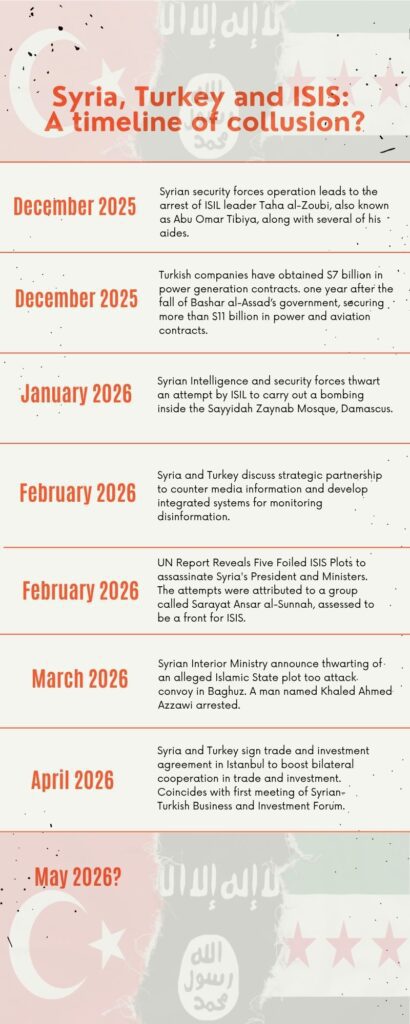
Terrorleaks has put together a timeline of significant events which seeks to highlight the activities and relationship of Turkey and Syria; Let us look dear readers at our ‘timeline of collusion’…
Timeline of collusion?
The timeline above highlights the clear strengthening of political, economic and diplomatic ties between Syria and Turkey over the past six months. Whether it be a strategic media partnership or bilateral cooperation in trade and investment, it is clear that Turkey are seeking to invest it’s time and effort into Syria and the new leadership. In terms of their counter IS efforts, based upon the noted arrests and thwarted plots, Syrian Intelligence and Security Forces have proven to be extremely effective over the past six months. This is evident in the failed Islamic State plots against religious landmarks and more notably, it’s leader Ahmed al-Sharaa’.
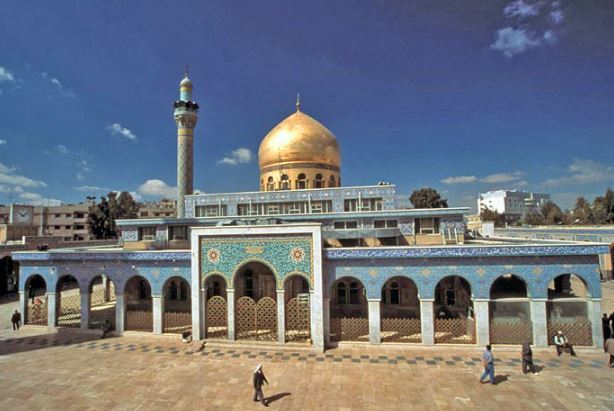
In the case of Sayyidah Zeinab mosque plot, the Syrian Interior Ministry posted pictures of four men it said were members of an ISIL cell who had been arrested in the countryside outside the capital. The ministry also published images of equipment allegedly seized from the suspects, including smartphones, two rifles, three explosive devices and several hand grenades. The photos showed the identity papers of two Lebanese and a Palestinian refugee living in Lebanon. Online supporters and journalists discussed the veracity of these claims, the editor of Syria Weekly, Charles Lister claiming “It’s highly likely that an external intel tip-off was involved here“. Regardless of the source of the leaked intelligence, it is clear that this failure was the direct result of external or even internal forces thwarting the plot.
Five failed assassination plots
The five failed plots against Ahmed al-Sharaa have been attributed to Sarayat Ansar al-Sunnah, a relatively recent jihadist group born out of the turmoil of the Assad coup in December 2024. The exact allegiances of this group have been subject to considerable speculation, UN-linked reporting, suggests that Sarayat Ansar al-Sunnah “may in some instances function as a cover or facilitating structure for operations aligned with the Islamic State, particularly in the domain of high-value targeting” and “There is no confirmed formal affiliation with the Islamic State, however multiple indicators support a growing likelihood of functional convergence, and in some cases potential use as a front or proxy structure”. So why would the Islamic State of Syria need a ‘proxy force’?
The Syrian observer has not only sought to answer this question, but has gone so far as to explain that Sarayat Ansar al-Sunnah “has enabled ISIS to maintain plausible deniability while expanding its operational reach”. Could it be argued that this ISIS proxy has splintered off to conduct external operations under their own command and also, if five attempts to assassinate Ahmed al-Sharaa’ have failed, could it be argued that this ISIS proxy has been subject to leaks within it’s own ranks?

Analysis
Turkey and Syria are evidently seeking to strengthen their diplomatic relationships and this is evident in the most recent economic deals and infrastructure project that have been set up in the region. Two thorns that possibly would have affected these deals or regional stability were the SDF and the threat of the Islamic State of Syria. The Kurdish issue has now been nullified in the north east of Syria and the Islamic State seem to be incapable of conducting operations. This has resulted in regional stability and enabled the tightening of relations between the two countries.
The failure of assassination plots and arrest of many of its leaders likely indicates a greater input of timely intelligence and capability of the Syrian Security Forces. It further highlights the likelihood of internal compromise within the ranks of the Islamic State and it’s purported proxy, Sarayat Ansar al-Sunnah that has enabled these raids and crackdowns to take place, whether it be the Sayyidah Zeinab mosque plot or the capture of Taha al-Zoubi and Khaled Ahmed Azzawi.
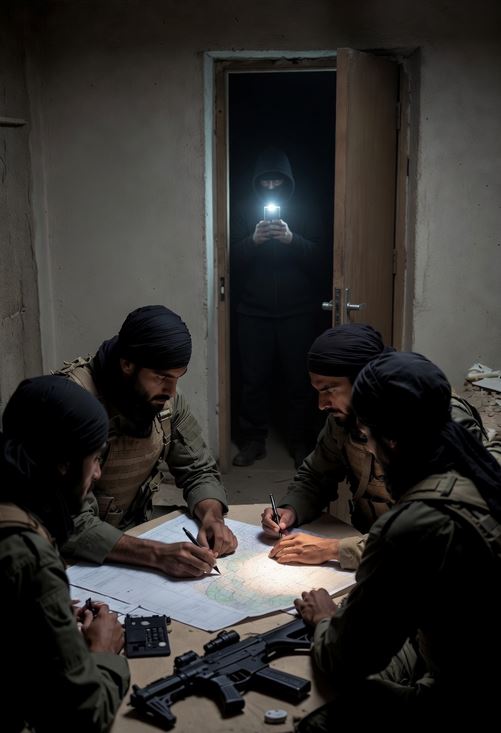
One thing is clear, these thwarted attempts are likely to indicate evidence of internal compromise. But from which organization? In order to answer that dear readers, you must ask yourself who has benefited most from these recent ISIS crackdowns?…