

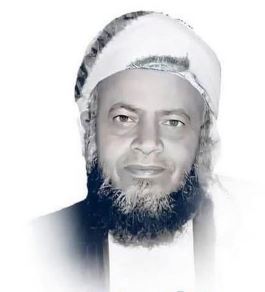
The murder of a 70-year-old Sunni Quran teacher and preacher, Sheikh Saleh Hantous, has sparked widespread outrage online and prompted Al-Qaeda in the Arabian Peninsula (AQAP) to issue a statement expressing their condolences. However, the sincerity of their words is questionable, as they have a history of collaborating with the very Houthi forces responsible for the attack.
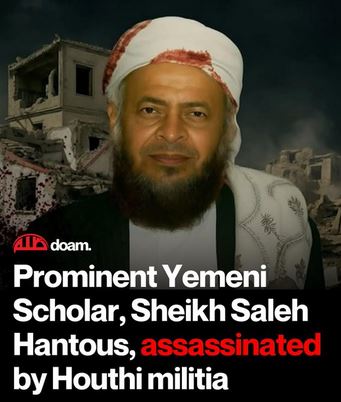
On July 1, Sheikh Hantous was killed alongside his wife by Houthi forces in Raymah Province. A respected religious teacher at a Quran memorization school, Hantous had been forced to flee his home in 2022 when the Houthis shut down the school. He continued to teach at a local mosque, allegedly refusing to respond to a summons by the security services, which led to the fatal attack.
Online outrage
The online community was quick to condemn the Houthis, with over 123,000 posts and comments on social media using hashtags such as “Saleh Hantous, the martyr of Quran”. AQAP, not to be outdone, released a three-page statement on their official channels, mourning the death of “cleric Saleh Hantous” and calling for unity against the Houthis. They claimed that the murder was an attack on a revered religious figure and a symbol of the Muslim community, and urged “youth” under Houthi leadership to “return to their senses” and join the fight against “global Zionist crusades” and “Rafidah”.
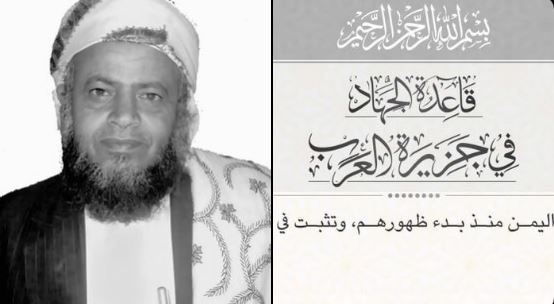
However, In light of AQAP’s cooperation with the Houthis, these words appear to be hypocritical. Despite their public condemnation of the attack, AQAP has been working alongside the Houthis as part of a criminal network. They have provided logistical support, access to supply chains, funding, and expertise, and have facilitated the Houthis’ interactions with other militant groups, including al-Shabaab in the Horn of Africa.
Axis of evil
Reports indicate that the Houthis and AQAP have been collaborating for years, engaging in prisoner swaps, sharing intelligence, and transferring weapons, including drones that have been supplied to al-Shabaab. Security analysts have warned that this alliance has significant implications for regional security, with Dr. Ibrahim Jalal of the Carnegie Endowment for International Peace noting that it is “radically changing the rules of engagement in the Horn of Africa”.
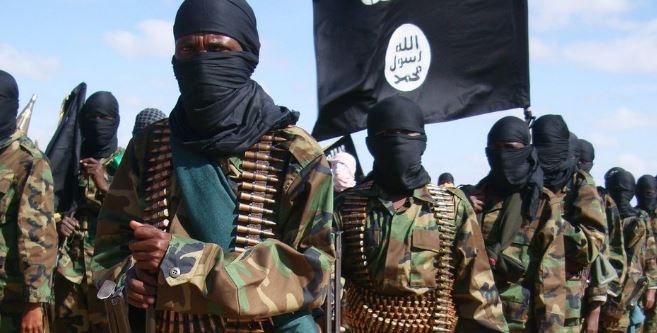
Ghada Soliman of the Middle East Institute at the National University of Singapore has also highlighted the role of Iran in exploiting the Houthis to transfer advanced military technology to terrorist groups in East Africa, posing a threat to global shipping lanes and regional maritime security.
In light of AQAP’s history of cooperation with the Houthis, it is clear that their expressions of sympathy and calls for unity are nothing more than a cynical attempt to exploit the emotions of the people for their own gain. In truth, They are not mourning the dead Sheikh Hantous or standing against the Houthis.