

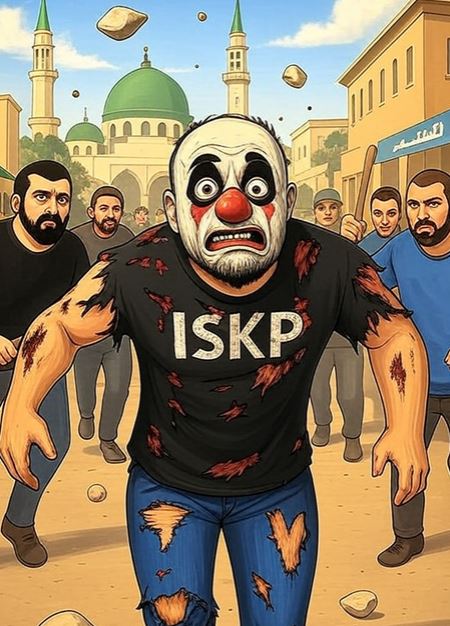
The Islamic State Khurasan Province (ISKP) group, once a renowned and infamous regional insurgency, has faced severe pressure from counterterrorism operations, and its territorial influence has been shattered. With no significant territory under its control, it has been forced to transition to predominantly online operations, including media production and online recruitment. The group is struggling across the board, facing diminishing funds, struggling to stay relevant in the wake of less significant attacks, arrests of key, senior operatives and the disruption of training operations, with reports from previous recruits detailing the harrowing conditions in the camps.
ISKP Finances: Crippled

ISKP’s finances have been all but crippled by continued counter terrorism pressures, and the group itself has been on a downward trajectory since the high of the Crocus City Hall attack. The group faces enduring international counterterrorism operations from multiple fronts. There has been increased pressure from the U.S. and an increase in counterterrorism efforts from the Taleban and Pakistani security services. The Taleban have been successful in targeting the group, conducting “surgical” strikes against ISKP hideouts and arresting senior operatives. Furthermore, since early 2024, Turkish authorities have focused on targeting ISKP finance operations within Turkey. The outcome of pressure from all of these angles, is that ISKP’s capability has been severely inhibited, resulting in reduced attacks and less successful recruitment and fundraising operations.
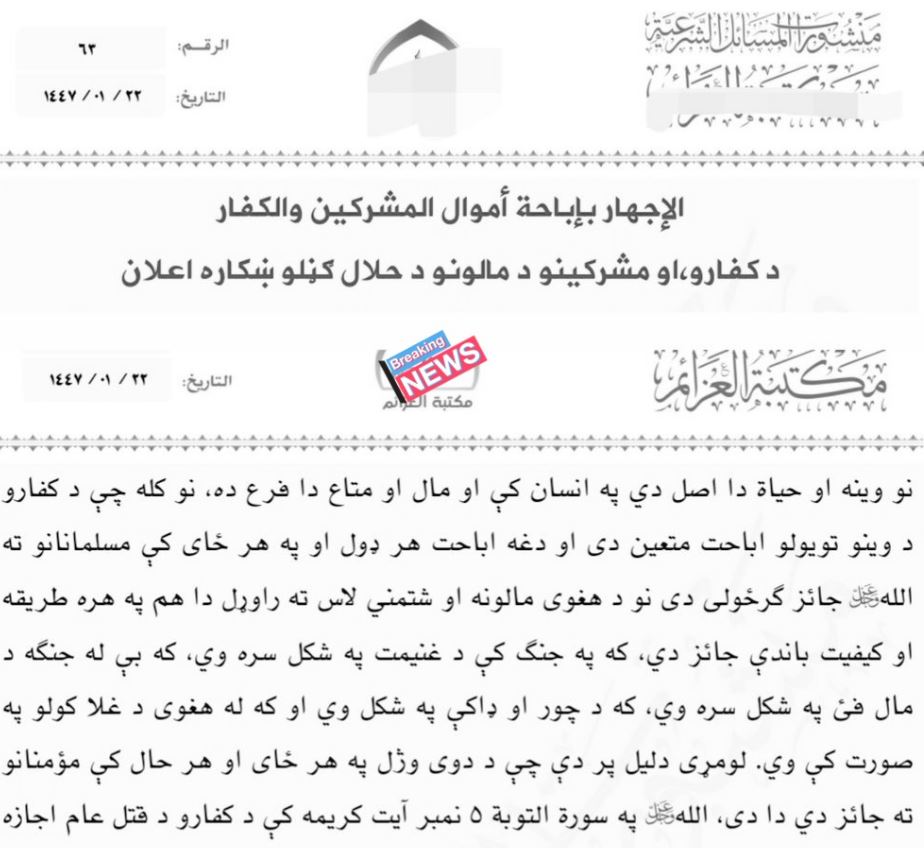
The number of ISKP operations has been consistently dropping since the Taleban takeover in 2021, and by 2024, has plummeted. It appears the group is becoming desperate for ways to try to make some quick cash. Pro-IEA outlet Khorasan Ghag claimed on ‘X’ that ISKP was increasingly resorting to kidnap for ransom operations following the alleged collapse of its leadership and military structures in Afghanistan. ISKP has recently issued a fatwa which declared that it was religiously permissible to hack and steal from non-believers’ bank accounts. ISKP has been reduced to using its propaganda outlet, al-Azaim media, to repeatedly beg for donations. Regardless of where the funding comes from, it is unsurprising, that ISKP is reportedly being forced to choose between funding operations, or feeding its fighters and their families. It cannot do both.
Key ISKP Figures: Detained
Coordinated efforts betwen between Western, Turkish and Pakistani authorities led to the detention of Abu Mundhar al-Tadjiki. He was responsible for overseeing key attacks, such as the Moscow Crocus City Hall attack, Strasbourg Christmas market attack and the bombing in Soleimani, resulting in a combined death toll of 248 people. Abu Mundhar al-Tadjiki travelled widely within Central Asia to coordinate his ISKP network; however, due to the coordinated efforts of the authorities he was eventually detained and his network dismantled. His arrest has significantly impacted ISKP’s ability to coordinate and launch large scale attacks in Europe.
Further collaboration between Turkish and Pakistani intelligence has led to the detainment of key media figures like Abu Yasir al-Turki in June 2025, who was thought to have controlled the online persona “Khurasan Lion” before his arrest, has massively impacted ISKP’s ability to influence online narratives and media operations. “Khurasan Lion” has previously been identified as a “moderator and owner” on key al-Azaim channels on the RocketChat platform, associated with the publication and dissemination of both Turkish and English language propaganda.
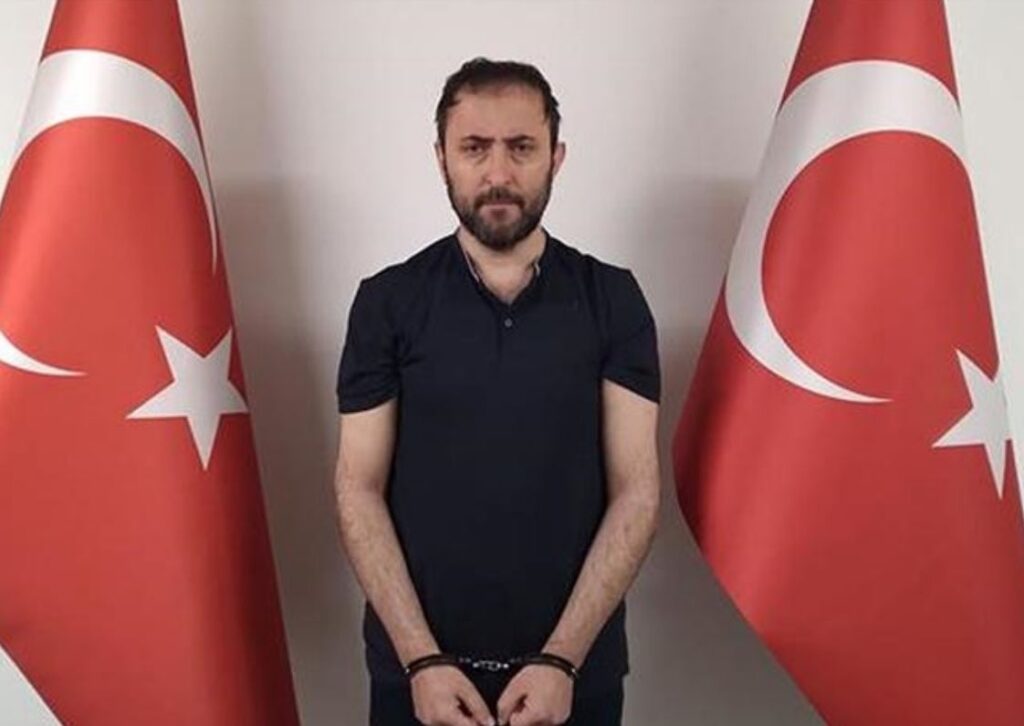
al-Turki’s arrest also resulted in the seizure of a substantial sum of funds; online supporters have been concerned enough about the amount of cryptocurrency that was seized that they have taken to warning other supporters about online security – ““My brothers in God, God willing, we want to review important password security guidelines to help our brothers protect themselves and their devices from spies, especially after the arrest of Khurasan.lion (may God release him) and the theft of cryptocurrencies from his devices.” The impact of the arrests of these key figures and the subsequent loss of networks, funds, and influence over online narratives is of significant detriment to ISKP.
ISKP Media Presence: Diminished
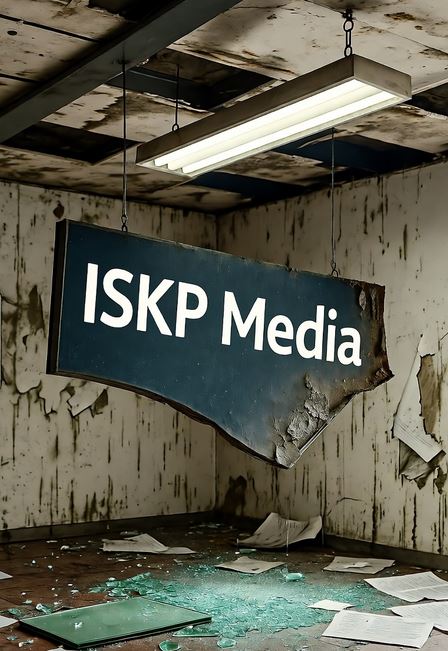
With the arrest of al-Turki, the group is likely to struggle to maintain control over its media presence. ISKP’s media arm have been forced to implement quick fixes, such as using digital tools and AI to translate its publications into other languages. This is having detrimental effects to the ISKP brand, for example, in a 117-page long document, the group refers to the Baloch people as “Balochi”, a term widely considered offensive by the community. This linguistic error reflects a wider failure of the group’s social media campaign in Balochistan, which suffers from a lack of authenticity, local relevance and linguistic nuance. This is especially significant given the location of several ISKP training camps in the area. Avoidable errors such as these will likely lead to further alienation of the Baloch people, who are more likely to turn to rival groups such as the BLA and TTP.
Competing insurgent groups
ISKP have also had to contend with other insurgencies operating in the area; in May 2025, the group declared war on Baloch ‘pro-independence’ insurgent groups, accusing them of unprovoked attacks. In a 36-minute-long video published by ISKP’s al-Azaim media wing, the narrator says ISKP had previously maintained a “non-aggression policy” towards Baloch insurgents, but now considers them adversaries. Admitting themselves that they would now be fighting yet another enemy, “just as it had fought the Taliban”, ISKP are facing pressure from all sides which has affected their financial and military operations. This is another factor in the drop of operational activity over the last year and another indication that ISKP will struggle to survive should it make any more enemies.
ISKP Media Content: Diminished and Disengaged
These mounting pressures have been reflected in the group’s media outputs – al-Azaim has been struggling to publish any meaningful content and the rate of propaganda production has continued to decrease significantly across its diverse network of language outputs. The regularity, volume and diversity of Azaim’s content has been impacted, including delays in releases of key magazines.
The drop off in Azaim’s content production follows many months of increasingly generic output from the media group. Despite significant global developments relevant to ISKP and jihadists, for example, the Israel-Iran war and developments in Syria, the group has failed to address any of these and has continued to release standard, run of the mill products, emphasising defiance that thinly veils deeper concerns about loyalty and commitment within its rank and among its supporters.
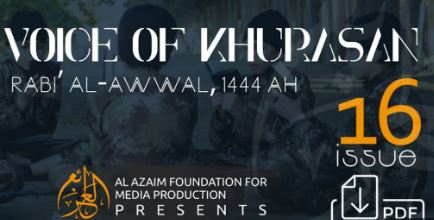
As well as struggling to conduct significant attacks, ISKP have suffered a series of crackdowns and arrests of suspected Azaim operatives and ISKP affiliates across the region, including in Iran, Afghanistan, Pakistan, Russia and Uzbekistan – as well as in other countries worldwide. These crackdowns, as well as the banning of Telegram groups, are likely to have played a role in Azaim’s diminished presence in the pro-ISKP media landscape.
Camp conditions: Dire Straits
Accounts from recruits who have trained at ISKP camps in the Balochistan area do not paint a pretty picture and it is clear that ISKP’s funding dilemma has stretched to its training operations too. Claims that recruits are going hungry, do not have essential medical supplies, or even fresh clothing, suggest the group is in dire straits. ISKP is unable to meet even the most basic needs of its recruits, let alone provide them with training resources such as weapons and ammunition. Past recruits have also cited challenging internal dynamics within the camps between local ISIL-Pakistan members, who were tasked with looking after foreign recruits, and particularly those who had fallen ill at the camp.
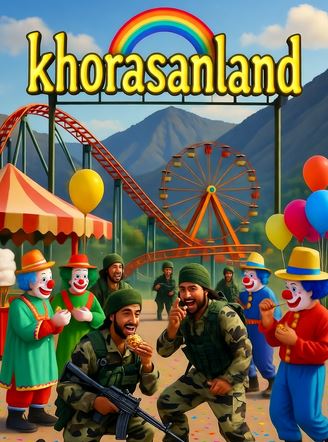
The experiences of these former camp members are in sharp contrast to the narratives of camp life supplied by ISKP propaganda. Recruits can expect to have their passports and mobile phones taken from them, leaving them unable to correspond with family and friends. More significantly, recruits can also expect to lose their freedom to leave the camp, and are reportedly being held against their will should they realize how desperate the situation really is. Reports of attacks against the camps from Baloch nationalist fighters are frequent, with ISKP-fighter death tolls in the dozens and without the means to protect the injured or vulnerable recruits.
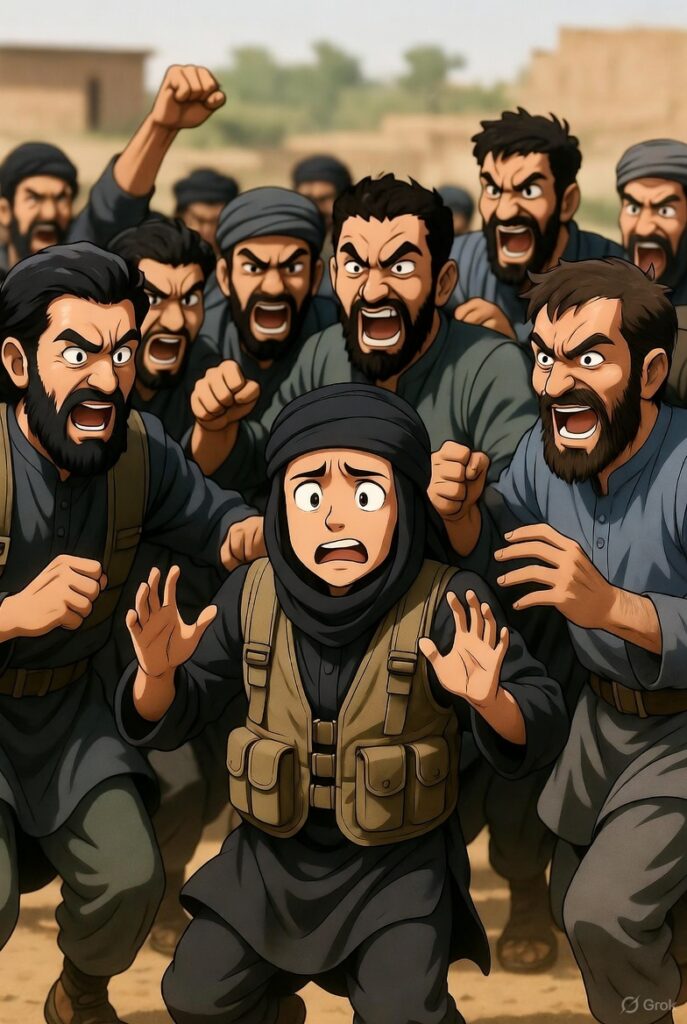
A fighter publicly complained on social media recently about abusive treatment in ISKP training camps. The fighter, who is originally from England but of Afghan origin, accused the camp’s leaders Abu Omar and Abu Zar of beatings, abuse, neglect, corruption and racism. He also claimed that Western-born foreign recruits are treated as second class, not allowed to have contact with their families, and insulted and bullied for their language and background. The fighter claimed he was called a ‘dog washer’ and kicked and spat at. After reporting his mistreatment through official ISKP communication channels, he was accused of lying and brushed aside.
It seems that ISKP have bitten off more than they can chew. In the face of mounting counterterrorism pressure that impact its finances and ability to conduct operations, multiple arrests of senior operatives and the knock-on effect on their media campaigns, the group is struggling to stay relevant, to stay functional. ISKP is struggling to survive.