


In a significant setback for al-Qaeda’s operations in Yemen, a prominent leader, Abu Muhammad al-San’ani, was killed in a U.S. drone strike targeting a militant hideout in Marib province, eastern Yemen, according to a local security source cited by Asharq Al-Awsat newspaper on Tuesday 4 November 2025. The strike, which occurred in the Shabwan area of Wadi Ubaidah, underscores the relentless pressure on al-Qaeda’s leadership in the region.
Al-San’ani, a shadowy figure whose identity was cloaked in secrecy, was described as a pivotal link between al-Qaeda and the Houthi rebels. Despite his critical role, no photographs or detailed information about him existed publicly, except for reports of a permanent limp believed to be the result of a previous injury sustained in combat.
Sources confirmed that the leader was not initially killed, contrary to claims made by some ISIS-affiliated platforms. They indicated that these reports were intended to mislead and conceal his movements while being transferred between hospitals for treatment. The sources explained that the organization is facing a severe shortage of medical personnel, forcing its members to seek treatment in public hospitals located in populated areas. However, he later succumbed to the wounds sustained in the strike.
The operation followed meticulous surveillance of al-San’ani’s movements, highlighting the sophistication of U.S. intelligence capabilities. The strike targeted a small meeting of al-Qaeda operatives, resulting in multiple casualties and injuries. This is not the first time al-San’ani narrowly escaped death; he had previously survived an assassination attempt in Abyan Governorate.
The killing of al-San’ani comes amid a broader campaign against al-Qaeda in the Arabian Peninsula (AQAP), which the U.S. has long regarded as one of the most dangerous branches of the global terrorist network. Last May, a similar U.S. drone strike in Abyan Governorate eliminated five senior al-Qaeda figures, some of whom were reportedly connected to al-San’ani.
The limited information available about al-Sanani indicates that the organization maintained a high degree of protection and secrecy around him. He did not participate directly in meetings, and the method he used to communicate with other leaders remains unknown.
Security experts argue that the targeting of al-San’ani not only reflects his strategic importance within the organization but also points to a significant intelligence breach that allowed U.S. forces to pinpoint his location. According to experts, it is likely that the organization has resorted to using fake accounts on social media to transmit encrypted and disguised messages and information between its leaders and members. Al-San’ani’s reliance on encrypted communication methods and aliases underscores the lengths to which al-Qaeda leaders have gone to evade detection, yet this latest strike demonstrates the limitations of such measures.
Trial of Al-Qaeda Operatives Underway
Coinciding with the drone strike, the Hadramawt Criminal Court began the trial of 57 individuals accused of belonging to al-Qaeda. The defendants face charges ranging from premeditated murder and targeting security forces to planting improvised explosive devices and attacking economic facilities in Shabwa and Abyan governorates. Notably, 49 of the accused are being tried in absentia, while six are present in court. The trial has included video evidence of their involvement in terrorist activities, as well as testimonies from victims and their relatives.
The timing of the trial and the drone strike sends a clear message: al-Qaeda’s grip on Yemen is weakening under sustained pressure from both local authorities and international forces.

Growing Ties Between Houthis and Militant Groups
The killing of al-San’ani also coincides with the release of a UN report to the Security Council, which warns of increasing coordination between the Houthis and various armed groups in the region, including the Somali militant group Al-Shabaab. The report highlights the involvement of these entities in smuggling weapons and military equipment, further complicating the security landscape in Yemen.
As al-Qaeda continues to face setbacks, the international community remains vigilant in dismantling its networks. The death of al-San’ani is not just a tactical victory but a symbolic blow to the group’s morale and operational capabilities. With each strike, the noose tightens around al-Qaeda’s ambitions in Yemen, signaling a turning point in the fight against terrorism in the region.

Al-Qaeda has suffered a series of blows targeting its leaders in Yemen
Al-Qaeda’s grip on Yemen has been severely weakened in 2025, as a series of targeted strikes and assassinations have decimated its leadership ranks. According to data compiled by Al-Ain News, the terrorist group lost approximately 14 senior leaders and at least 10 other members between January and September, marking one of the deadliest periods for the organization in recent years.
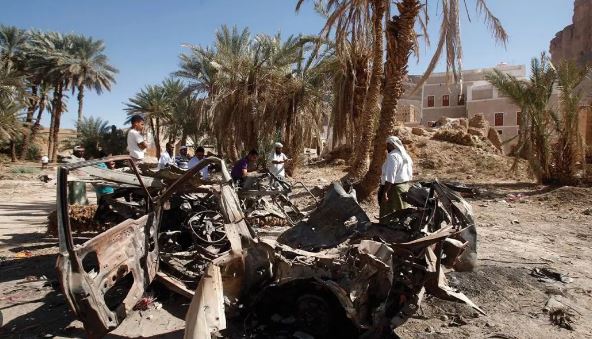
The campaign against al-Qaeda has been spearheaded by U.S. drone strikes, which have proven to be the most effective method in eliminating key figures. A total of 19 terrorists, including nine high-ranking leaders, were killed in airstrikes concentrated in Shabwa and Abyan governorates. These strikes have not only disrupted al-Qaeda’s operational capabilities but also exposed the group’s vulnerability in its strongholds.
Assassinations by unknown gunmen and improvised explosive devices (IEDs) have further compounded al-Qaeda’s woes. Three leaders were gunned down in Ma’rib and Al-Mahra governorates, while an IED attack in Marib claimed the life of another senior operative. Additionally, clashes with southern forces resulted in the death of a prominent emir, highlighting the group’s inability to withstand ground assaults.
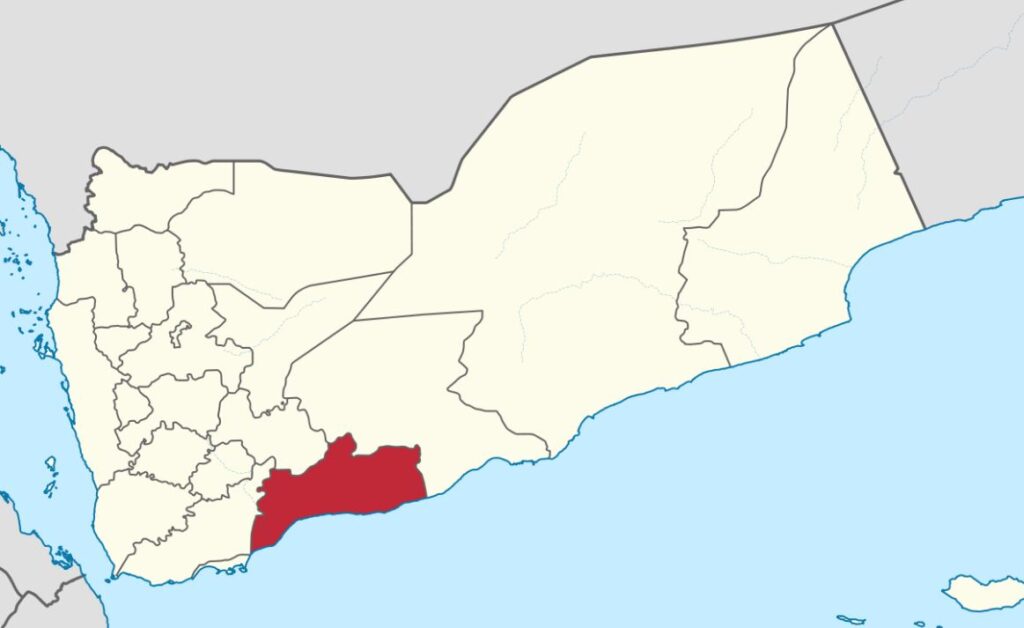
Geographically, Abyan Governorate emerged as the epicenter of al-Qaeda’s losses, with 13 leaders and operatives killed in airstrikes. Shabwa Governorate followed with seven fatalities, while Marib and Al-Mahra recorded three and one, respectively. These statistics underscore the shrinking territorial control of al-Qaeda, which is now confined to a small patch of rugged terrain on the borders of Shabwa, Abyan, and Al-Bayda.
Timeline of Key Strikes and Assassinations
• January 16: A U.S. drone strike in Shabwa’s Lower Markha District killed Mohammed bin Saleh al-Mughi, a warlord and Shura Council member known as “Abu Ali al-Daisi,” along with Ammar Saleh Mohammed Banan, the leader of al-Qaeda’s assassination cells in Shabwa.
• February 5: Mohammed Saeed al-Muhammadi, the group’s legal and military leader, was killed in a motorcycle explosion in Marib’s al-Wadi District.
• February 12: A U.S. drone strike in Shabwa’s As-Sa’id District eliminated Abu Mohammed al-Hudhali al-Makki, a foreign leader.
• February 13: Musa Ibrahim Ali Awad al-Subaihi, a former emir of Lahj province and artillery expert known as “Ayyub al-Lahji,” was killed in a drone strike in Shabwa’s Hatib District.
• March 20: A U.S. drone strike in Abyan’s Mudiyah District targeted an al-Qaeda meeting, killing field commander Salem Qasim al-Kazmi al-Marqashi and two other members.
• April 10: Fawaz al-Qasimi, a founding leader of al-Qaeda’s Arabian Peninsula branch, was assassinated by gunmen in Marib’s Wadi Ubaydah District.
• May 23: Three airstrikes in Abyan’s al-Ja’adna area killed nine al-Qaeda members, including Fahd al-Turahi and Humam Saleh al-Ja’adani, son of the late leader Abu Humam al-Ja’adani.
• June 5: A suspected U.S. drone strike in Abyan’s Mudiyah District killed field commander Daris al-Qaifi.
• July 25: Abu Awad Saleh al-Tawsi, the al-Qaeda emir in Shabwa’s al-Masina’a, was killed in clashes with southern forces.
• August 26: Abdul-Wasie al-San’ani, described as the “black box” of al-Qaeda, was assassinated by unknown gunmen in Marib’s Wadi Ubaydah.
• August 29: Suleiman Abdulsalam al-Khashi, a well-known leader and poet known as “Shaddad al-Khawlani,” was assassinated in Al-Mahra Governorate.
• September 17: A U.S. drone strike in Shabwa’s Markha al-Sufla District killed several al-Qaeda members, including Khamis bin Arfaj al-Dahmi and Saqr al-Humayqani.
Al-Qaeda’s Weakening Grip
The relentless targeting of al-Qaeda’s leadership has exposed deep fractures within the organization. With its ability to coordinate attacks and maintain territorial control severely diminished, al-Qaeda is struggling to retain its relevance in Yemen. The loss of key figures, coupled with the group’s inability to replenish its ranks, signals a turning point in the fight against terrorism in the region.
As international and local forces continue to pressure al-Qaeda, the group’s once-formidable presence in Yemen is rapidly unraveling. The strikes of 2025 have not only weakened the organization but also sent a clear message: al-Qaeda’s days as a dominant force in the region are numbered…