

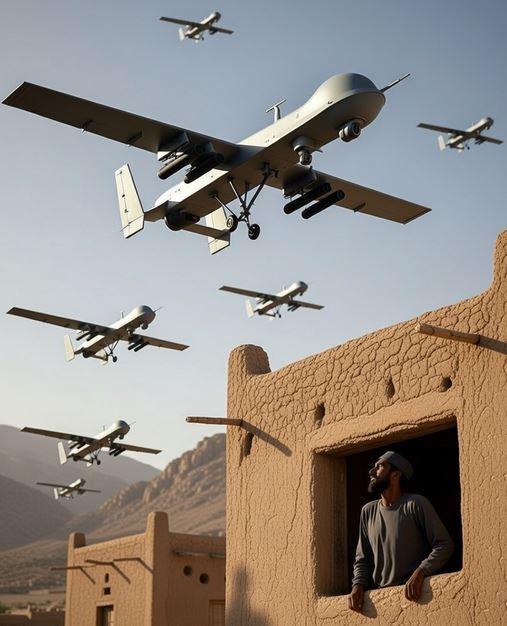
The ongoing devastating strikes have continued in Yemen in early 2026, with a US airstrike on the 4th Feb reportedly killing four al-Qaeda leaders in Yemen (AQAP), including spokesman Khalid Batarfi and senior leader Idris al-Masri. This follows just a week after a strike targeting a residence in Marib Governate that killed al-Qaeda senior Khawlan al-San’ani. These are just the latest successes in an aggressive CT campaign against al-Qaeda in Yemen, with the group facing another month of serious setbacks.
With Idris al-Masri and Khawlan al-San’ani being senior leaders in al-Qaeda in the Arabian Peninsula’s security apparatus, this raises serious questions on whether terrorist fighters are safe in Yemen. If al-Qaeda cannot even keep their security meetings and personnel safe, should any terrorist fighters in Yemen ever feel safe?

In December, the organization’s explosives and drone expert, Kamal al-Sanani, was killed in a similar strike in the town of al-Khasif, bringing the number of leaders that al-Qaeda lost during the past year to more than 16, according to estimates.
These constant setbacks and losses of key personnel are rapidly draining the knowledge and experience of AQAP, al-Qaeda’s Yemeni affiliate. This loss of experience could be the death of the organization, with their inability to protect their most valuable personnel causing them to rapidly fade away. No force can survive on raw recruits alone, and AQAP are losing their seniors without even fighting.
A Culture of Impotence?

As conflict in Yemen rages, AQAP remain a divisive force in a region crying out for stability. The presence of AQAP extremists in an area seems to guarantee that US bombs will soon follow. Any assurances that AQAP provide locals must ring hollow in the face of repeated breaches of the extremist shroud of secrecy; how can the people of Yemen feel safe with AQAP hiding in their midst when the group’s security leaders are tracked and killed by US strikes?
This is not a new state of affairs for AQAP – they have long felt the watchful gaze of US forces from the sky. What is becoming more evident, though, is that AQAP have adopted a Culture of Impotence: they accept that the US can strike them whenever and wherever they wish, but are seemingly unable to keep the whereabouts of key leaders a secret from their enemies. With strikes from the sky and spy hunts on the ground, al-Qaeda extremists in Yemen get no rest from the pursuit of their enemies.
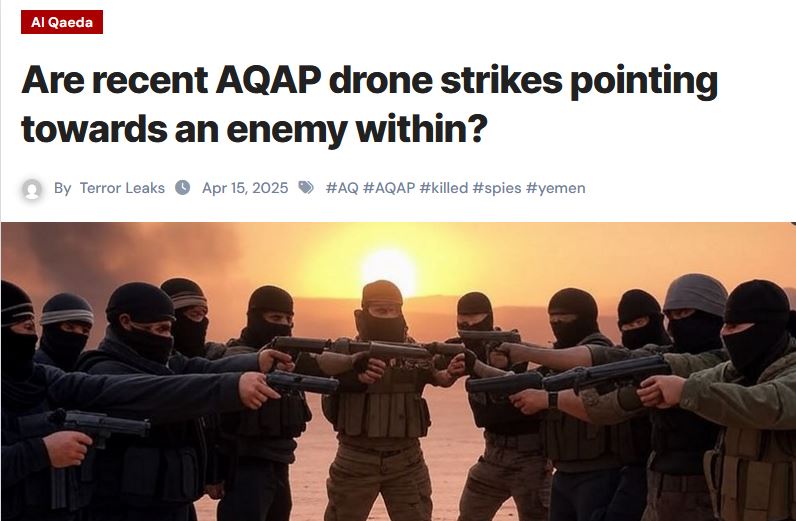
Reaching out to unlikely allies?
AQAP’s poor situation will likely force them to once more look for help from other extremist groups across the Gulf region. The desperation of the group will be measured by who they now reach out to: will they request support from other al-Qaeda extremists in Somalia, or will they humbly approach the Shia Houthi militant group?
AQAP once more have an opportunity to show that their desperate attempt to keep the group together is more important than their Salafi jihadist roots; their growing cooperation with the Iranian-backed Houthis undermines any attempt to claim a pure intent as they readily work with the enemies of Sunni Islam. This controversial policy must create great division in the ranks of al-Qaeda and causes much happiness in those who oppose them and the chaos and death that they bring.