

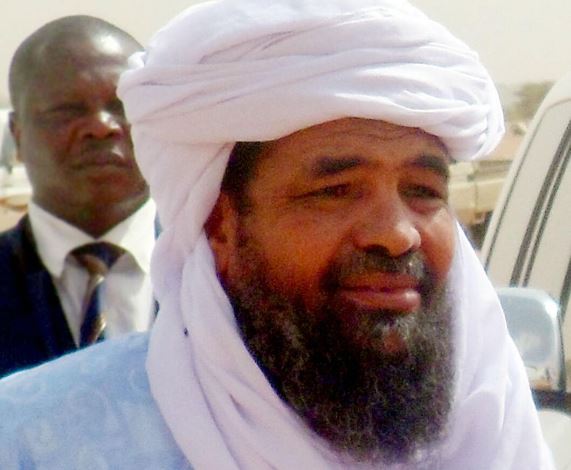
Iyad Ag Ghaly’s journey from a Tuareg musician and songwriter to the leader of Al-Qaeda’s most dangerous jihadist organization in Africa is a story of ideological deviation, betrayal, and relentless ambition.
Once a member of the blues-rock band Kel Tinariwen, Ag Ghaly now heads the Sahelian branch of Al-Qaeda, known as Jama’at Nusrat al-Islam wal-Muslimin (JNIM), responsible for atrocities across Mali, Burkina Faso, Niger, and beyond.
Early Life and Tuareg Rebellion
Born in Mali’s Kidal region, Ag Ghaly belongs to the influential Ifoghas Tuareg tribe. His father, a prominent figure among the Tuareg, was killed during a rebellion against the Malian government when Ag Ghaly was just nine years old. This loss shaped his early life, leading him to join a contingent of Tuareg volunteers under Libyan leader Muammar Gaddafi in the 1980s. Gaddafi used the Tuareg as proxies in his geopolitical ambitions, deploying them in conflicts such as the Chad-Libya war.
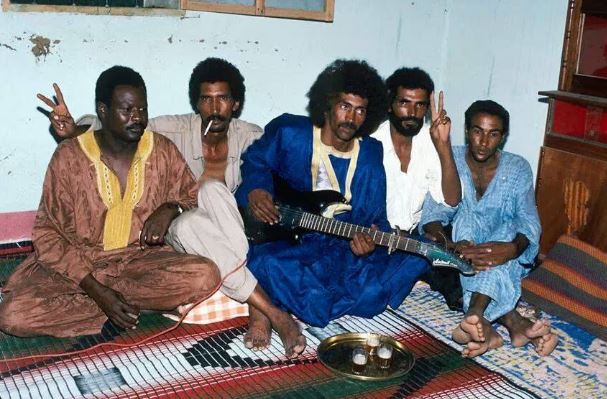
Ag Ghaly’s passion for music was evident in his youth. He saw music as a tool for mobilizing support for Tuareg independence, helping provide his band, Kel Tinariwen (meaning “Sons of the Desert”), with electric guitars, amplifiers, and a rehearsal space. His song “Bismillah” (In the Name of God) became an anthem for the Tuareg liberation movement, with cassette tapes circulating widely in Mali.
Radicalization and Shift to Jihadism
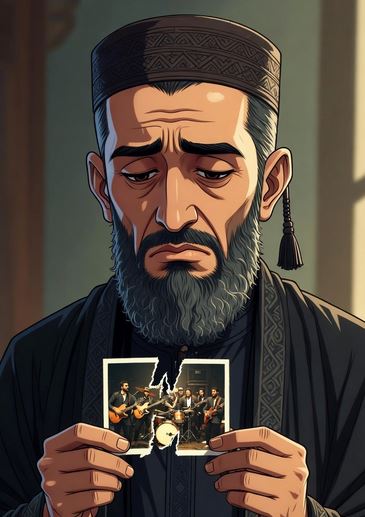
Ag Ghaly’s life took a dramatic turn in the late 1990s when he encountered Pakistani Salafist preachers in Kidal. He grew a beard, adopted their white clothing, and began to embrace religious extremism. Despite his earlier fondness for whiskey and music, he eventually abandoned both, telling his band to stop performing, claiming they were leading people to “corruption and depravity.”
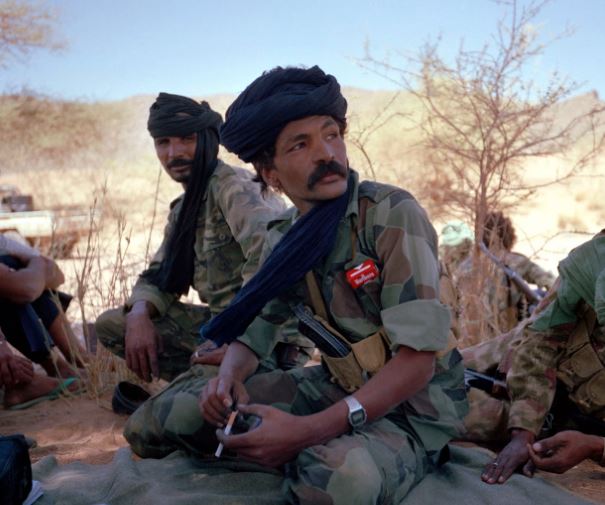
In 1990, Ag Ghaly led Tuareg fighters in attacks on Malian military positions, blending rebellion with music. However, his disillusionment with Gaddafi’s unfulfilled promises of support for Tuareg independence marked a turning point. By the early 2000s, he had become a mediator in the lucrative business of kidnapping for ransom, further entrenching his ties with extremist groups.
Founding Ansar Dine and Rise to Power
Ag Ghaly’s jihadist journey culminated in 2012 with the founding of Ansar Dine, a group that initially collaborated with the National Movement for the Liberation of Azawad (MNLA) to seize control of northern Mali. However, he quickly ousted the MNLA, establishing himself as a key player in the region’s conflict. His group’s takeover of Timbuktu in 2012, alongside Al-Qaeda in the Islamic Maghreb (AQIM), marked a dark chapter in the city’s history. Women were confined to their homes, and the religious police committed violence against suspected heretics.
The International Criminal Court (ICC) later detailed the atrocities committed by Ag Ghaly’s forces, including murder, rape, sexual slavery, and attacks on religious and historical sites. In 2024, the ICC issued an arrest warrant for Ag Ghaly, accusing him of war crimes and crimes against humanity in Timbuktu.
Formation of JNIM and Expansion of Influence
Despite being weakened by the French military intervention in Mali in 2013, Ag Ghaly rebounded in 2017 by uniting several jihadist groups—Ansar Dine, Katibat Macina, and AQIM—to form JNIM. This coalition became a magnet for foreign fighters, who flocked to the region to train recruits in the use of sophisticated weapons from Gaddafi’s arsenal.
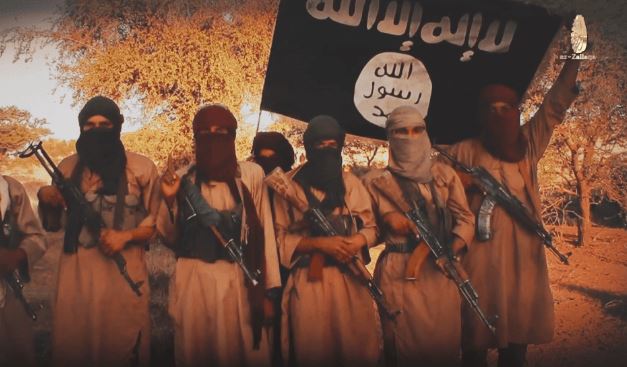
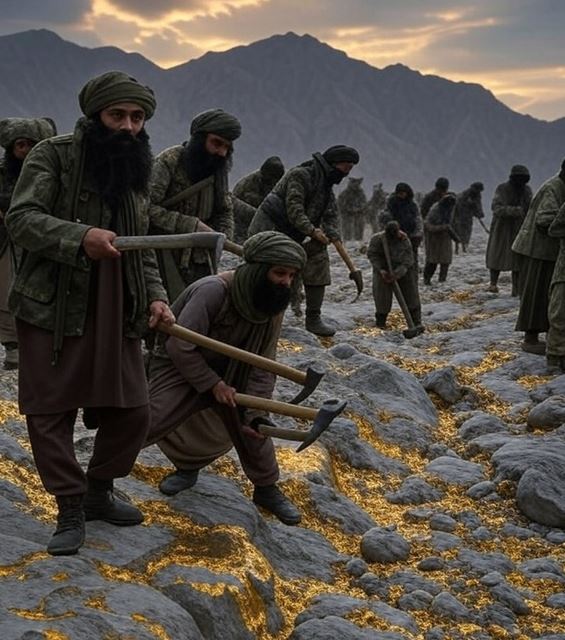
Under Ag Ghaly’s leadership, JNIM has expanded its influence across the Sahel, seizing gold mines, extorting livestock from villagers, and demanding protection money from drug and human traffickers. The group’s violence has been linked to nearly 2,300 incidents of violence in Mali, Burkina Faso, Niger, and other West African countries, resulting in the deaths of approximately 9,000 people in 2023 alone.
Economic Jihad: Ag Ghaly’s Lucrative Ransom Operations
Ag Ghaly’s leadership of JNIM has been marked by a sophisticated and lucrative strategy of economic jihad, particularly through high-profile kidnappings and ransom demands. One notable example is the September 26 kidnapping of a member of the ruling family of the United Arab Emirates, who was working in the gold trade near Bamako. Along with two of his business partners—an Iranian and a Pakistani—the hostage was released in late October in exchange for a ransom of at least $50 million, according to sources familiar with the negotiations. This ransom, one of the highest ever recorded in the region, represents a significant financial boost for JNIM. The first payment of 400 million CFA francs (over $700,000) was transferred to the jihadists as proof that the hostages were alive. The deal also included the release of approximately thirty JNIM prisoners held by Malian intelligence services, as well as several Malian soldiers.
A privately owned Malian news website Mali Actu reported that JNIM is using the $50 million ransom to fuel corruption within Malian security forces. Whilst this approach undermines the Malian government it also alienates JNIM’s support base. Ag Ghaly and JNIM claim to protect Muslims but rather than use this windfall for the betterment of the Muslims the group claim to protect, they have chosen to bribe the very enemy they claim to fight to pursue their political ambitions.
Reda Liamouri, a researcher at the Center for New South Policy, noted that such a windfall would allow JNIM to “maintain its current level of military engagement, including the economic blockade of Bamako, for an extended period.” Furthermore, the ransom will likely bolster JNIM’s ambitions to expand its presence in the Sahel and acquire more weapons, including commercial drones, explosives, and small arms, as well as pay fighters’ salaries, according to Liam Carr, an analyst at the American Enterprise Institute.
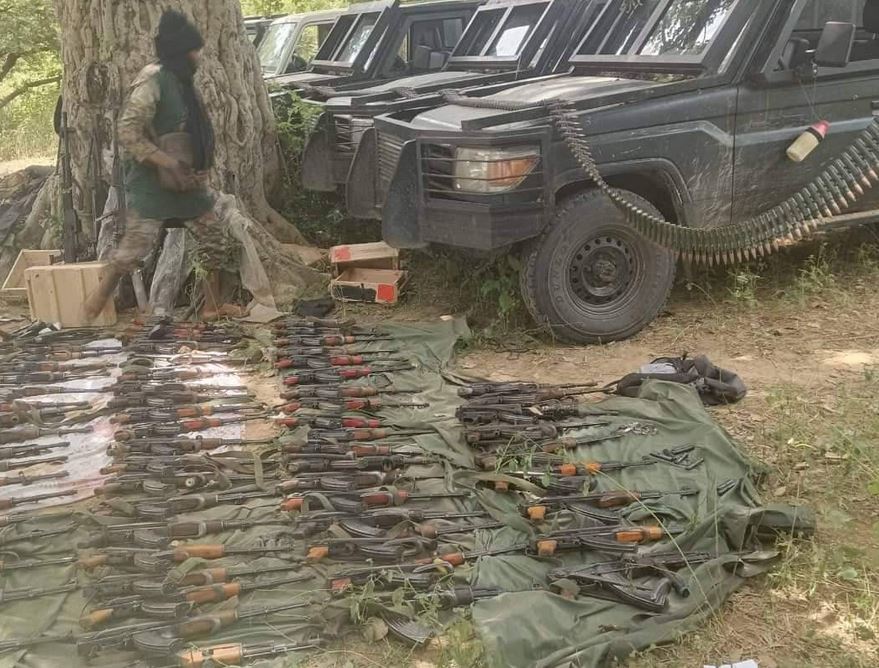
The targeting of foreign nationals, particularly in Mali’s gold-rich western regions, has driven away foreign investment and undermined a key source of revenue for the military junta. At least 11 Chinese nationals have been kidnapped in western Mali, with six of the attacks targeting industrial sites operated by Chinese companies. Additionally, five Indians working for an energy company and an Egyptian were recently abducted in the same region. This will potentially impact foreign investment into the area, which will damage the wider population and undermine JNIM’s support base.
Ransoms received by JNIM will also likely come with a price. China and UAE will likely seek to implement precautions to better protect their citizens in West Africa. This is expected to result in an increased international attention on the group.
Ag Ghaly’s Long-Term Loyalty to Al-Qaeda
It is also probable that the wider Al-Qaeda network will want a share of the spoils to further their operations. Whether Ag Ghaly is willing to share such a windfall if these reports are true will be a strong indication as to his long-term commitment to Al-Qaeda.
While Ag Ghaly has positioned himself as a key figure in Al-Qaeda’s Sahelian operations, questions linger about his long-term loyalty to the global jihadist network. His actions suggest a calculated pragmatism, using Al-Qaeda’s resources and brand to advance his own political ambitions in the Sahel.
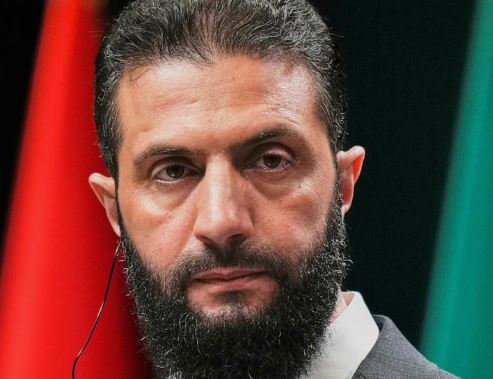
Ag Ghaly’s history as a Tuareg rebel and his initial focus on Tuareg independence indicate a deep-seated desire for autonomy and self-determination. His alignment with Al-Qaeda may be a means to an end, leveraging the group’s global reach and resources to achieve his own regional goals. This raises doubts about his commitment to Al-Qaeda’s broader ideological agenda, particularly as he continues to consolidate power and influence in the Sahel.
Whether such a large sum is shared throughout the wider Al-Qaeda network or used to advance Ag Ghaly’s political ambitions within West Africa remains to be seen. Pragmatically JNIM would likely have to renege on their affiliation with Al-Qaeda to ever be accepted as a legitimate government in the longer term in a similar manner seen by the Taleban and more recently with the new Syrian government.
Balancing act: The Fragility of Ag Ghaly’s Power and Alliances

Despite his formidable reputation, Ag Ghaly’s power is not without limits. His hardline stance and indiscriminate violence—including blockades, attacks on convoys, and the burning of villages—have alienated much of the population, even those who harbor doubts about the state. This widespread rejection undermines his ability to establish stable rule and forces him to govern through instability.
Ag Ghaly’s alliances, though strategically significant, are also fickle. While he successfully brought Amadou Koufa and the Macina katiba into his orbit, jihadist loyalties are notoriously volatile and can shift as interests change. Persistent rumors of tensions between Ag Ghaly and Koufa highlight the fragility of these alliances.
Furthermore, any potential cooperation between JNIM and the FLA (Forces de Libération de l’Azawad) is doomed by design, as their goals are fundamentally incompatible. This divergence limits Ag Ghaly’s ability to forge lasting partnerships and consolidates his reliance on coercion rather than consensus.
A Hunted Man
For all his longevity, Ag Ghaly remains a hunted man. Drone strikes and military pressure from regional and international forces prevent him from establishing stable governance and force him to operate in the shadows. His survival depends on constant evasion, further eroding his ability to build a sustainable base of power.
Conclusion: A Legacy of Instability and Ambiguity
Ag Ghaly’s transformation from a musician to a jihadist warlord is a testament to his resilience and strategic acumen. However, his indiscriminate violence, fickle alliances, and ambiguous loyalty to Al-Qaeda have alienated the very populations he seeks to control. Despite his formidable reputation, Ag Ghaly’s power is built on shifting sands, and his legacy is one of instability and alienation.
As the most wanted man in the Sahel, Ag Ghaly’s story serves as a stark reminder of the enduring threat posed by extremist ideologies. Yet, his vulnerabilities—both in his leadership style and in the fragile alliances he maintains—offer hope that his reign of terror can be challenged and ultimately dismantled. The question remains: is Ag Ghaly a true Al-Qaeda loyalist, or is he merely using the group as a stepping stone to achieve his own political ambitions in the Sahel?